Inside the Jack Daniel’s Lynchburg General Store Pop-Up
Whiskey, Heritage, and a New Kind of Experience
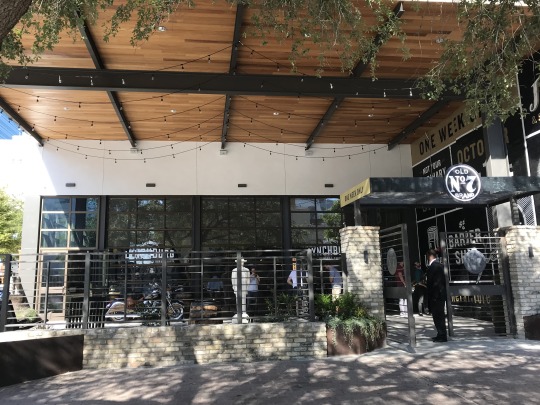
On a typical evening in a busy city center, a familiar black and white logo is seen on the corner of a storefront that, until this pop-up experience, had been vacant. But during this week, the storefront was a fully-branded Jack Daniel’s Lynchburg pop-up general store, filled with one part tasting room, one part museum, and a twist of experiential marketing.
These kinds of temporary spaces have become a staple of modern brand-building efforts, and Jack Daniel’s brought a particular weight of history to the format. The popular Tennessee whiskey, founded in the 19th century, sought an answer to a 21st century question: how do we make a heritage brand feel new without losing the iconic appeal we became known for in the first place?
A Distillery Story Experienced Through a Storefront Experience
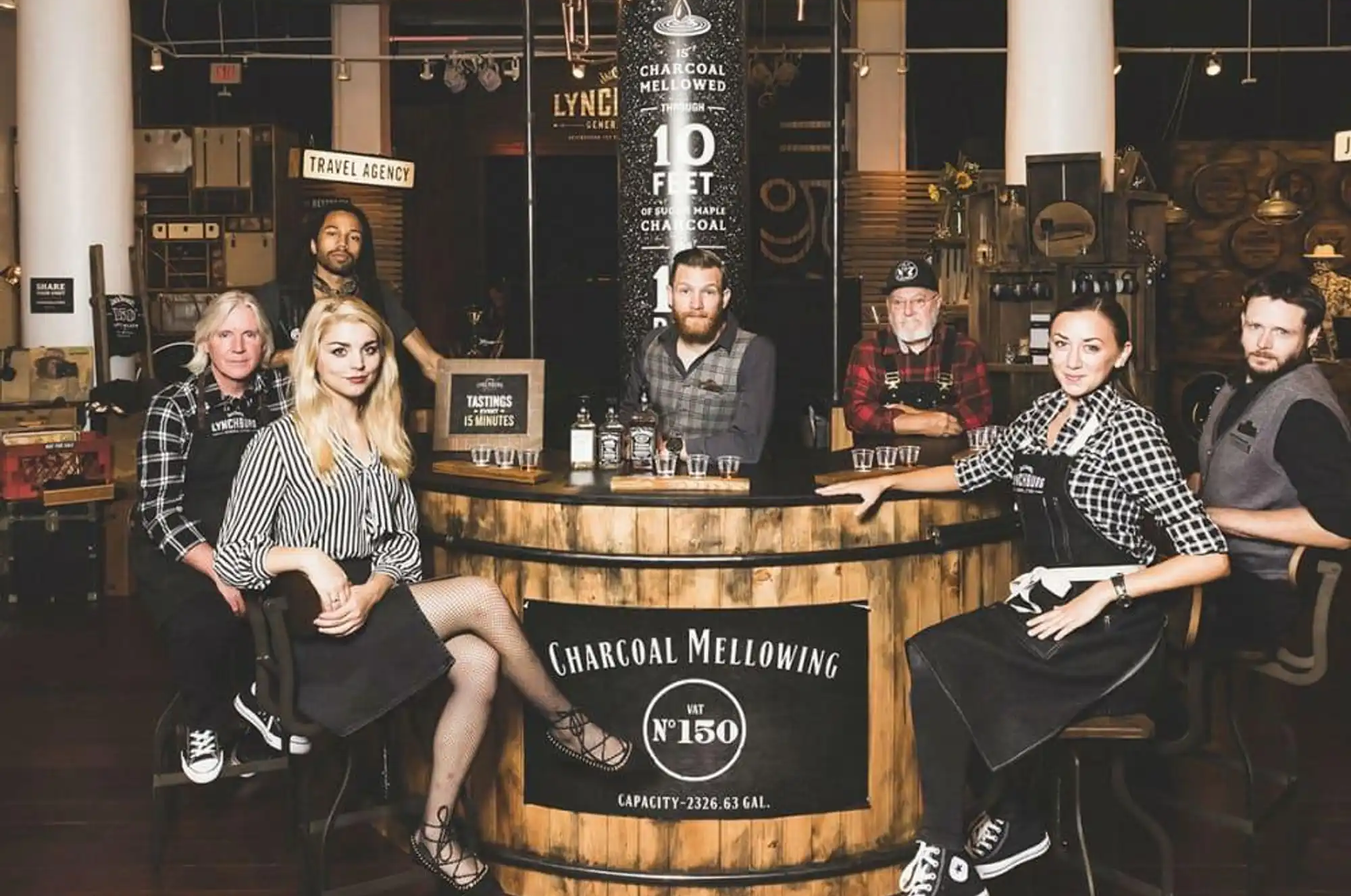
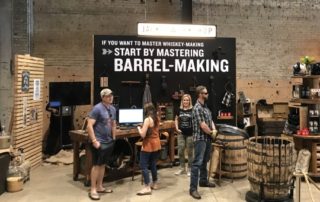
After stepping inside the few-hundred square feet of reimagined real estate, the pop-up’s first impression was less bar and more stage set. Complete with weathered wood, barrel staves, and sepia-toned decor, the design elements echoed the Lynchburg, Tennessee distillery. A looping projection of charcoal mellowing and bottling lines played on one wall, while another wall lined with Jack Daniel’s bottles and themed merchandise spanning decades of design.
The deliberate layout focused on the open space rather than leading with a simple bar-tasting experience, creating a distinct narrative of Jack Daniel’s as a place, a process, and a group of people. Visitors were guided past displays that broke down the whiskey-making process, the role of sugar maple charcoal, and the significance of Tennessee whiskey as a category distinct from bourbon.
For anyone who has toured a distillery, this was a familiar story. In this pop-up activation, the story was succinct and stylized. The General Store pop-up borrowed museum inspiration with curated artifacts, pronounced wall texts, and archival imagery, blending in a flare of a nightlife venue.
Tasteful Tasting
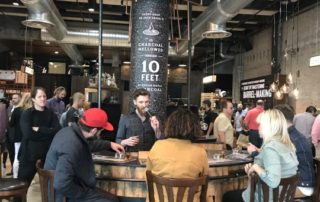
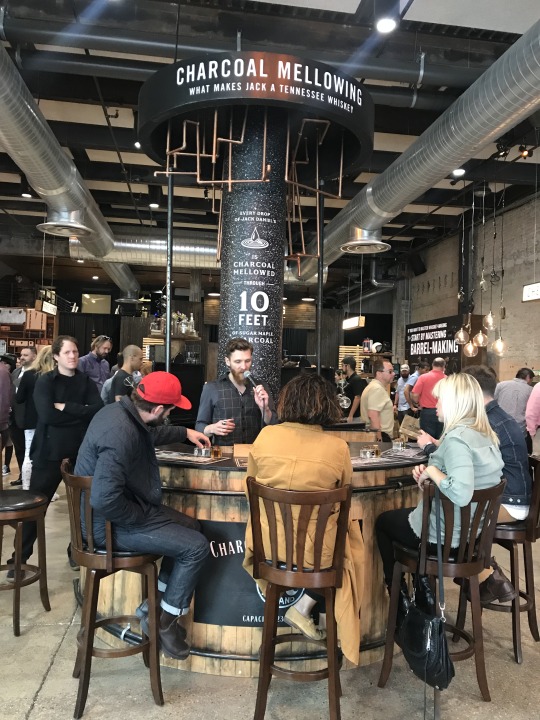
At the center of the space, a communal table anchored the tasting experience. Rather than a traditional bar menu, guests are offered a short guided experience of the classic Old No. 7, a single barrel expression, and one of the brand’s flavored or cask-finished variants.
Brand staff acted more as experience guides rather than bartenders, talking visitors through the differences in mash bill, barrel aging, and proof. Mirrorball, the lead agency, often employs the use of actors instead of traditional brand ambassadors for this very reason. The moments felt accessible, with language avoiding jargon that can make whiskey culture feel exclusive. The experiential element also included emphasis on sensory exploration, such as how a drop of water opens up the nose, or how charcoal mellowing softens the edges of a higher-proof pour.
For Jack Daniel’s, the temporary brand event was more than hospitality. It offered a way to reposition a product that many people first encountered as a simple mixer into something that can stand alongside brands that appeal more overtly to the whiskey connoisseurs. The experiential pop-up event became a controlled environment where the brand could reframe itself in real time.
A Jack Daniel’s Space Built for Sharing
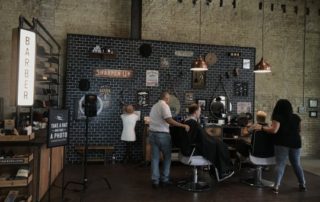
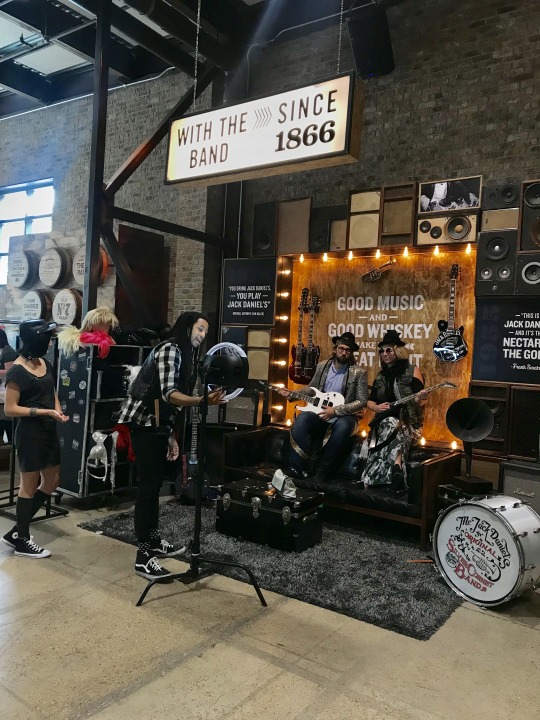
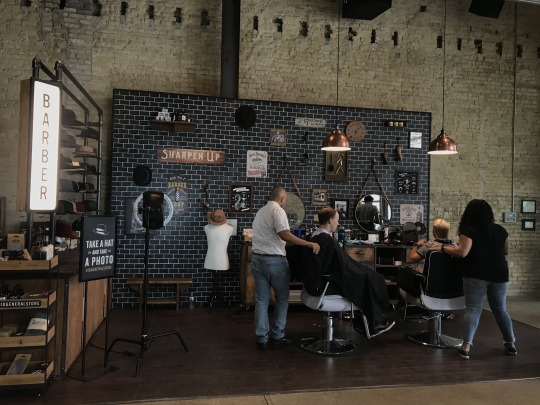
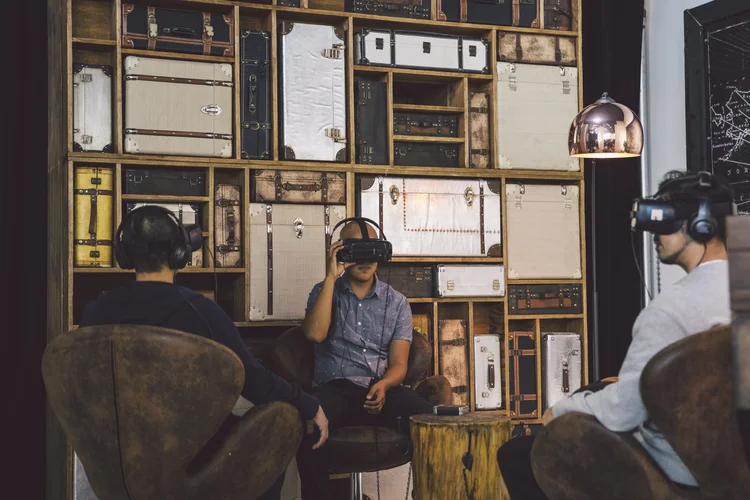
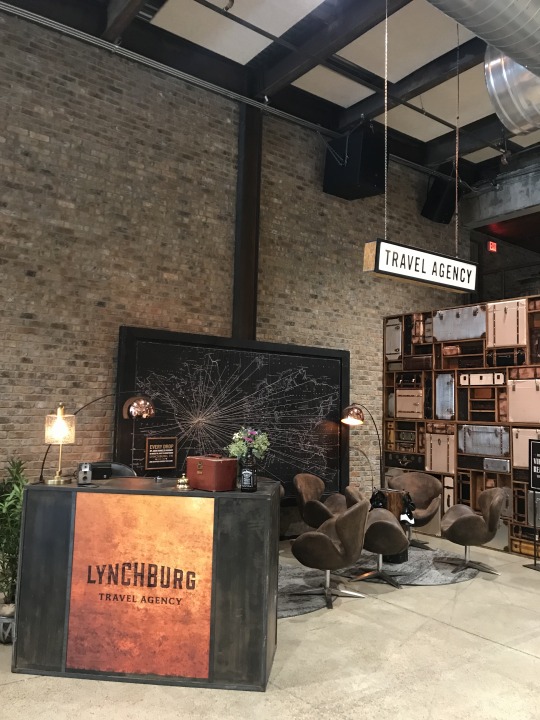
While part of the Jack Daniel’s General Store pop-up leaned into heritage, the rest of the space unapologetically embraced technology and the social media era. There was a neon sign with a familiar script, a wall of stacked barrels that provided an attractive photo backdrop, and a small stage for live music sets that nod to the brand’s long association with rock and country. Not to mention the pop-up barber offering $5 haircuts to guests, and the “Virtual” Travel Agency that allowed guests to virtually tour the Lynchburg distillery.
The elements were not subtle, and they were effective. Visitors posed with highball glasses, captured slow-motion pours, and tagged the event location. For a brand that has long relied on word-of-mouth and cultural placement, the pop-up translated analog legacy into digital impressions, valuable to any brand looking to grow and build engagement.
What was notable was the balance of the space. The temporary store avoided theme-park gimmicks and instead leaned on textures and motifs that felt consistent with Jack Daniel’s visual language. The result was a setting that felt both curated and simultaneously authentic.
Temporary Events With Lasting Impression
Pop-up activations by definition are fleeting moments, literally here today and gone tomorrow. The Jack Daniel’s Lynchburg General Store pop-up was scheduled to run only several days before the space cleared and the Mirrorball team moved the Jack Daniel’s experience to the next city. But the limited-time experience offered people a chance to make immediate and lasting connection with the brand.
For the Jack Daniel’s company, the temporary project offered a space for real-time market research. The company was able to test new cocktails, gauge interest in limited releases, and observe how different audiences responded to various aspects of the brand story, a smart experiential marketing move. Insights gathered here will be able to inform everything from packaging tweaks to future advertising campaigns.
And since not everyone can make the trip to Lynchburg, Tennessee, a pop-up in a centralized city space makes the distillery experience accessible to more potential brand consumers who might otherwise only encounter the brand on a back bar or in a supermarket aisle with other competitors.
Heritage Brands And Modern Experiential Marketing
Jack Daniel’s is not alone in this strategy. Heritage brands across multiple industries continue to invest in immersive experiences that blur the line between retail, education, and fun. The subtle marketing tactics are straightforward once you see them, and in a crowded market space where brands fight for attention more than ever, a memorable experience will be more persuasive than any traditional ad campaigns.
What makes this particular pop-up special for Jack Daniel’s is that it navigated the myth and modernity for Jack Daniel’s, who has long traded on a carefully cultivated image of small-town authenticity, even as it operates at global scale. The Lynchburg General Store pop-up had to honor the Jack Daniel’s mythology while acknowledging that its consumers live in a world of craft cocktails, mocktails, influencer recommendations, and algorithm-driven discovery.
By focusing on a brand experience, the space reassured longtime fans and lured in new ones, showcasing that the core of the Jack Daniel’s brand remains intact. By layering in interactive elements, virtual technology, contemporary cocktails, and shareable moments, the event signaled to new demographics that Jack Daniel’s is not frozen in time. By the time visitors exited the store, they left with a more layered knowledge of Jack Daniel’s they may have not otherwise gained.
The pop-up was not about selling drinks and bottles in the moment as much as it was about reshaping the Jack Daniel’s story that plays in a consumer’s mind the next time they scan a shelf or order at a bar. For Jack Daniel’s, that’s the real measure of success.
The storefront soon became empty again, with the barrels and neon packed up and shipped to the Jack Daniel’s activation. Still what remains will be the personal memories, shareable moments, and a new appreciation for a brand people thought they already had figured out.
By all regards, this pop-up was a big success – one that Fuller Street was happy to execute and build for the Mirrorball Agency.
Choosing the Right Fabrication Partner
For brands and agencies, selecting a fabrication partner is less about finding a vendor and more about adding a problem-solving engine to the team.
Key considerations include:
Experience: Scenic fabrication for live events has high demands and expectations. Can the partner you’re considering meet them?
Technical aptitude: In-house engineering, drafting, and scenic capabilities will reduce friction and ultimately overhead.
Collaboration: The best outcomes come from open dialogue between creative, production, and fabrication from day one.
Knowledge: Do they know what they’re doing, and more importantly do they know how to get it done in dense markets with familiarity of venues, permitting, and logistics?
The right choice will save you both time and budget in the end.
Experiential fabrication may operate behind the scenes, but it’s central to how modern brands show up in the physical world. As expectations for live experiences grow, the collaboration between creative vision, technical design, and fabrication craft will define which events are merely attended—and which are remembered.
Why Agencies Choose Fuller Street
Agencies look for a few important qualifications when choosing a fabrication partner, particularly a team who:
- Understands the pressure of client deadlines and brand expectations.
- Can build complex scenic elements that are safe, scalable, and transportable.
- Offers transparent communication and realistic timelines and budgets
Los Angeles based. National Capability.
Located in Southern California, Fuller Street is positioned to serve the hub of Los Angeles studios, designers, and agencies nationwide. Wherever your project is based, Fuller Street is capable at adapting to the needs of your project.
Your Next Big Idea Can Be More Than Just An Idea
If you’re looking for an experiential fabrication partner or a live events production company with the scale to handle six-figure projects, Fuller Street is here to support you. We know the stakes. And we deliver work that elevates your brand relationships.
When fabrication becomes part of the narrative, brand experiences move from forgettable walk-by moments to those filled with deep participation and brand loyalty.
Let’s build something people will talk about.
Contact Fuller Street and let’s build your next experiential fabrication.
Imagine what we can create together.