Experiential Design for Immersive Environments
Fuller Street supports experiential design, design development, spatial problem-solving, material selection, and fabrication planning.
Here’s How.
Experiential design brings together space, storytelling, audience movement, materials, and physical interaction to shape how people experience a brand or event. Fuller Street helps turn creative ideas into immersive environments that are visually compelling, functional, and ready to move into fabrication and production.
Our team works with agencies, producers, designers, and brands to develop scenic environments, branded installations, pop-ups, stages, and custom-built experiences. With more than 20 years of production experience, we approach experiential design with an understanding of what will work not only on paper, but in the venue, during installation, and in front of a live audience.
From Creative Ideas to Complete Renderings For The Fabrication
Strong experiential design must connect the creative vision with the realities of production.
A concept may begin as a sketch, rendering, campaign idea, floor plan, or creative brief. Our role is to help develop that idea into an environment that can be fabricated, transported, installed, operated, and experienced successfully.
We consider how each element fits within the full production, including scale, materials, audience flow, venue access, sightlines, durability, installation time, safety, and strike requirements.
This production-minded approach helps preserve the original concept while reducing avoidable complications later in the build process.
Experiential Design Capabilities
Our experiential design services can support projects at different stages, from early concept development through detailed fabrication planning.
Immersive Event Design
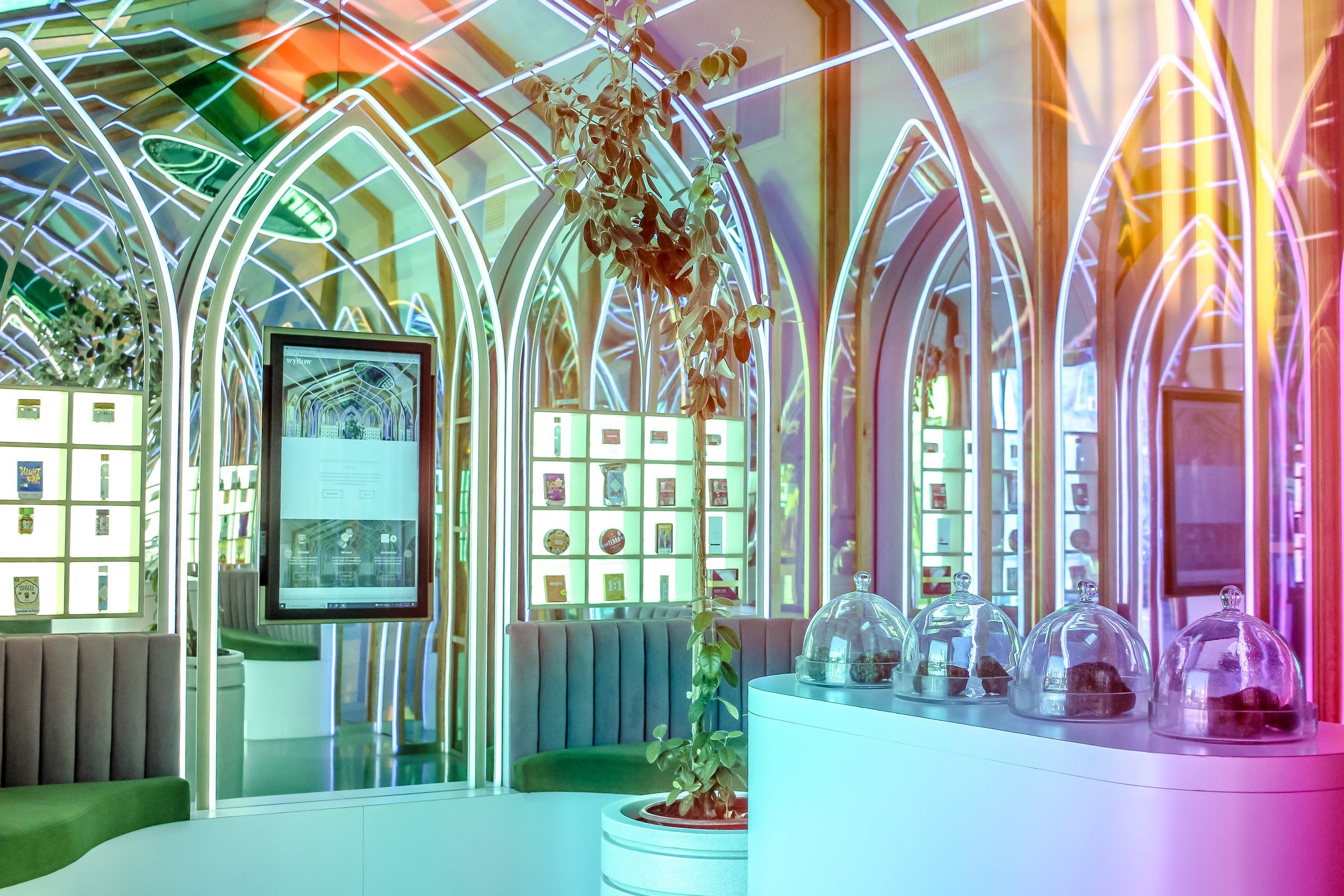
We help develop physical environments that create a strong sense of place and invite the audience into the experience.
These projects may include dimensional scenic elements, branded architecture, interactive areas, custom displays, stages, photo moments, and spatial features designed to support the event narrative.
The goal is to create an environment that feels cohesive, intentional, and aligned with how the audience will move through and interact with the space.
Scenic Elements and Spatial Design
Scenic design is the foundation of many experiential environments.
We consider composition, scale, sightlines, materials, finishes, structure, and visual hierarchy to determine how scenic elements will work together within the larger space.
This may include custom backdrops, stage environments, dimensional features, architectural elements, scenic walls, branded structures, and temporary installations.
Branded Design Integration
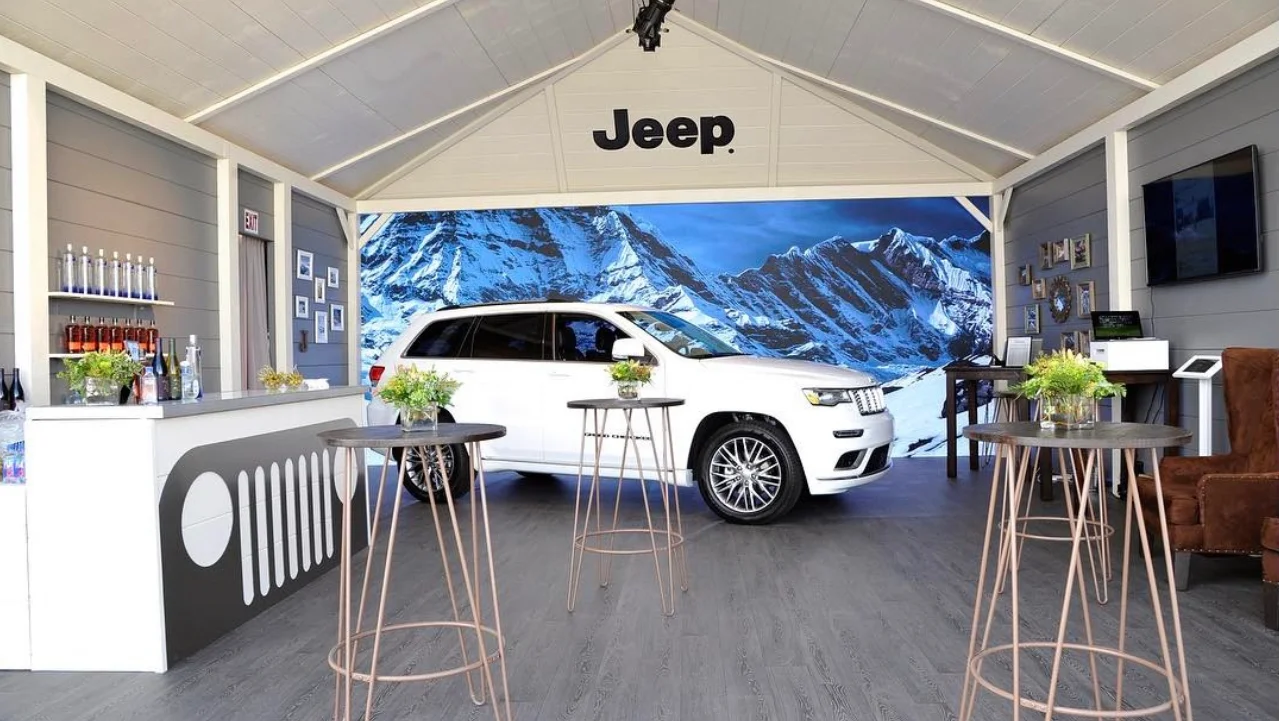
Branded environments translate a company, campaign, or product identity into a physical experience.
We help develop custom spaces that use form, color, graphics, materials, lighting considerations, and dimensional elements to reinforce the brand without relying only on logos or signage.
These environments may be created for brand activations, product launches, corporate events, pop-ups, retail spaces, or temporary installations.
Pop-Up and Brand Activation Design
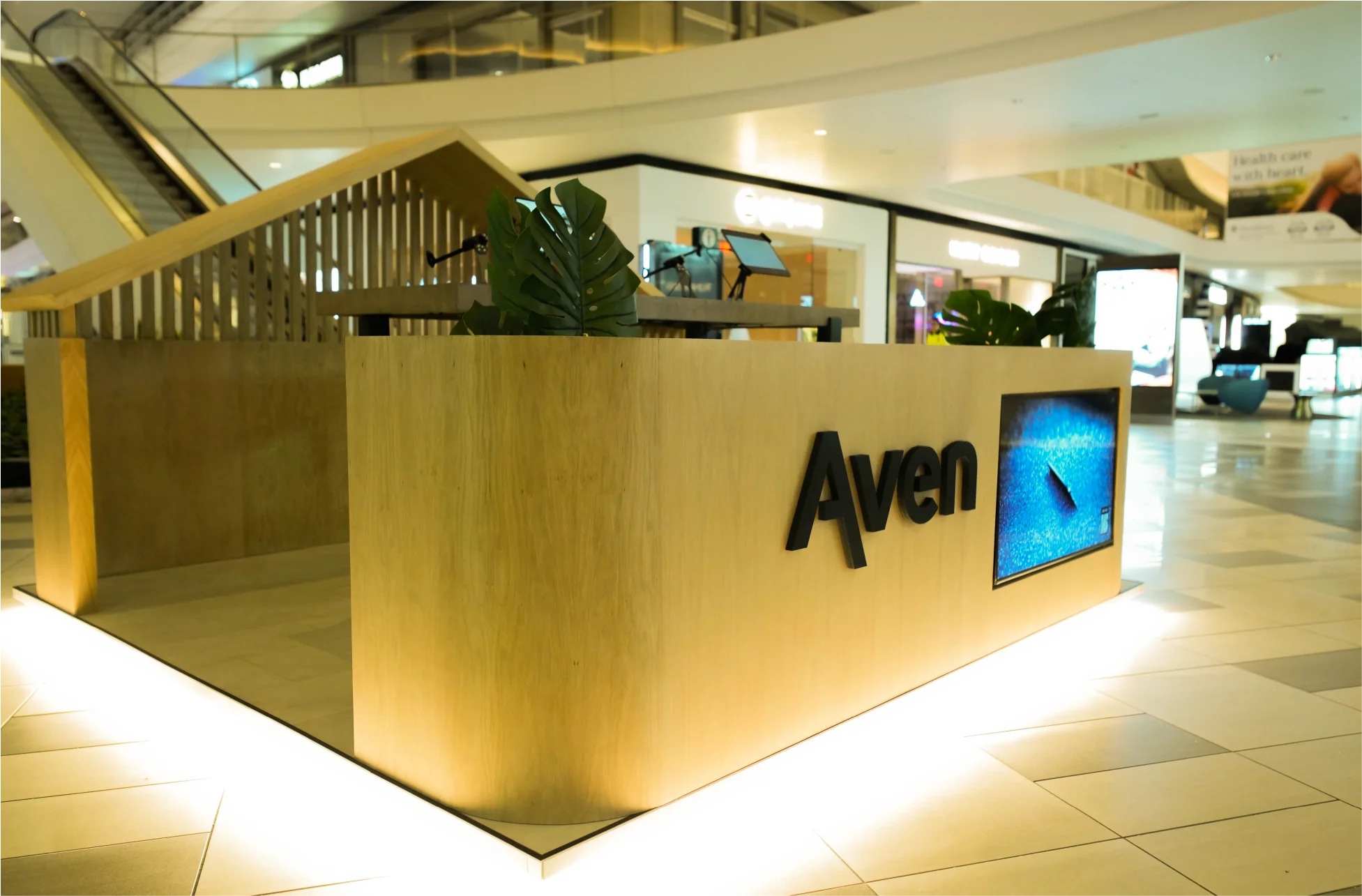
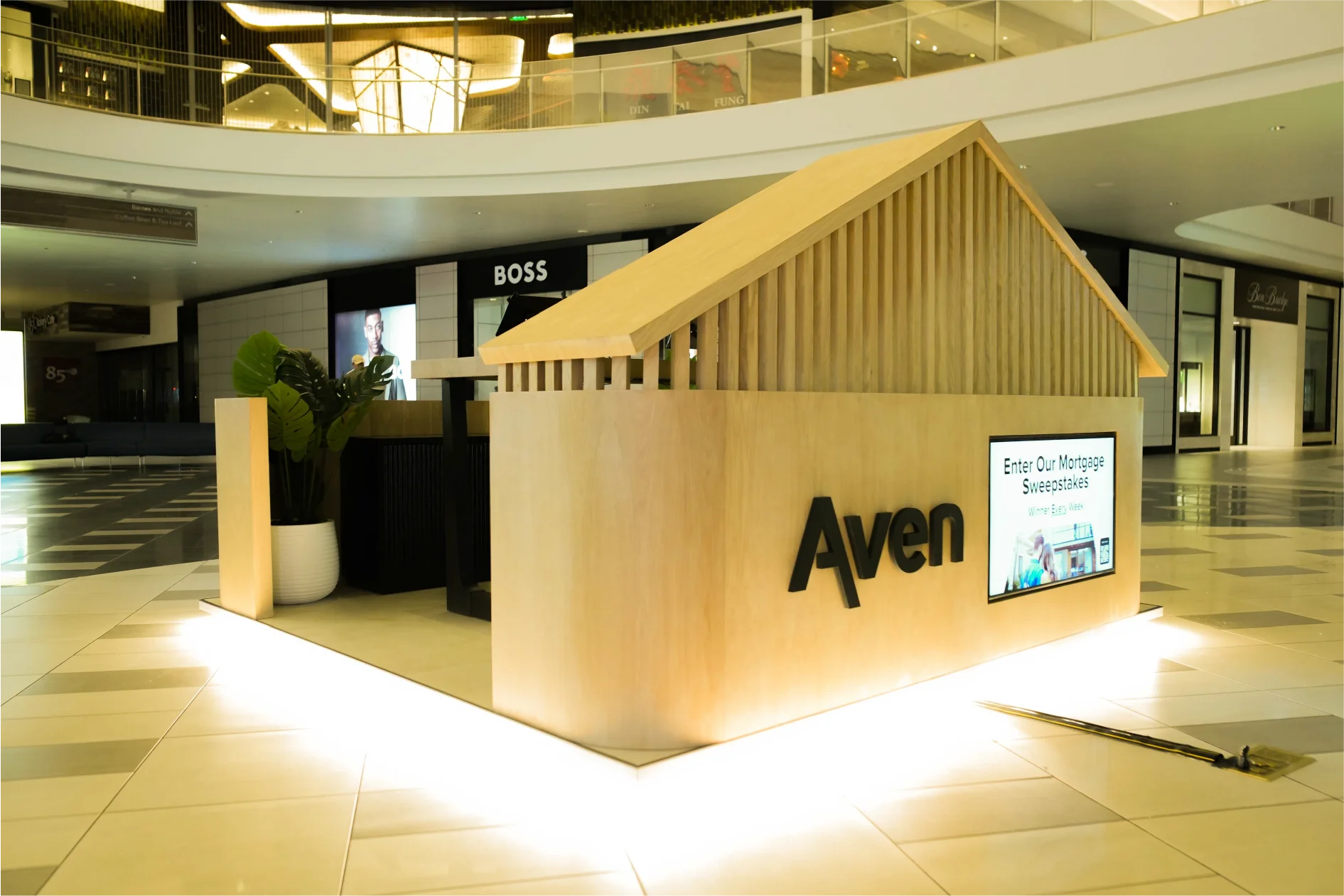
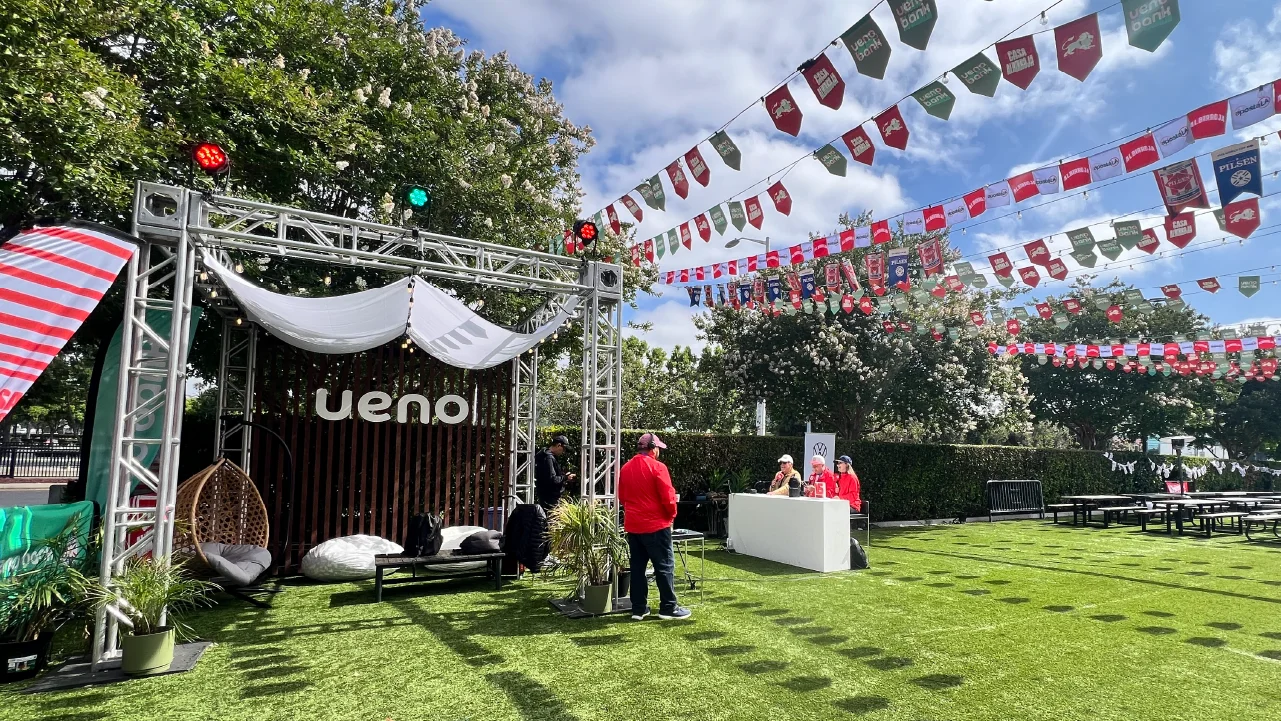
Pop-ups and brand activations often require environments that are visually distinctive, quickly installed, durable enough for public interaction, and practical to transport or reconfigure.
Our team helps shape the physical experience around the activation goals, available footprint, audience flow, event schedule, and production requirements.
Custom Stage Designs
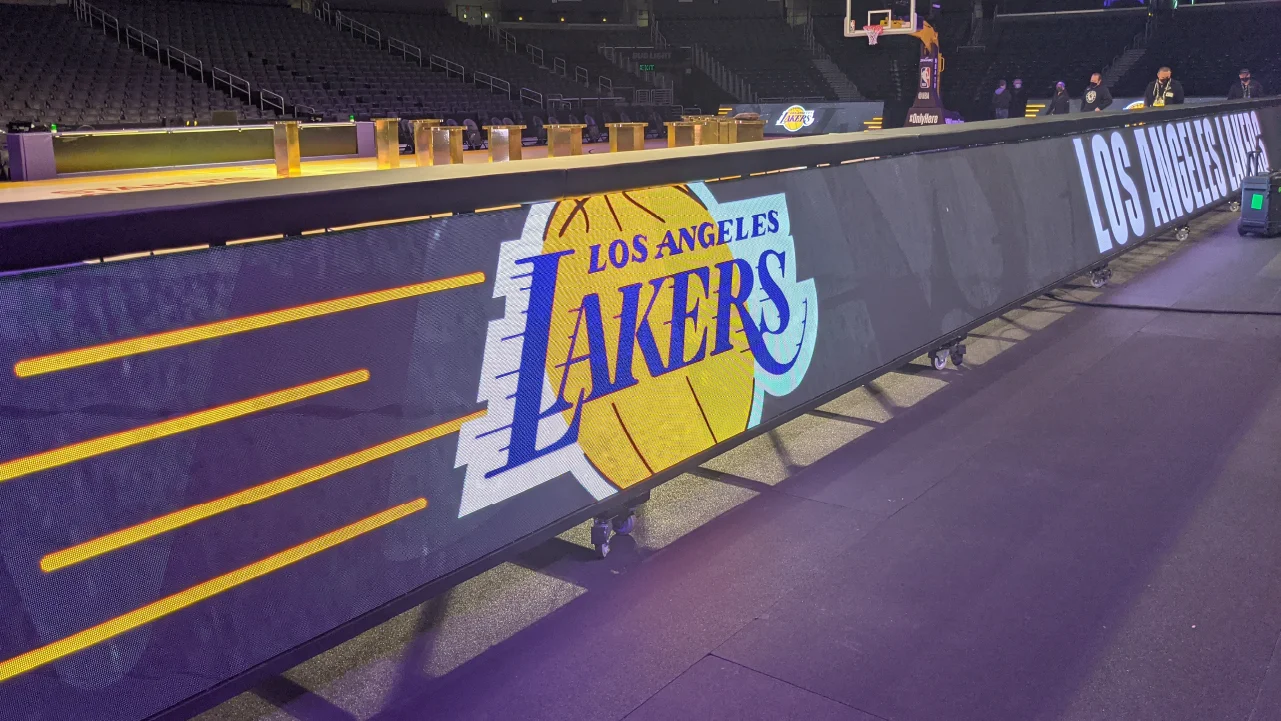
Stages and presentation environments must support both the audience experience and the technical needs of the production.
We help develop custom stage concepts, scenic backdrops, presentation settings, product-launch platforms, and branded environments that account for visibility, camera angles, speaker movement, technical integration, and venue conditions.
Retail and Branded Space Design
Experiential design principles can also be applied to retail spaces, branded displays, temporary shops, product showcases, and customer-facing environments.
Our production and fabrication experience helps ensure that these spaces are not only visually engaging, but practical for daily use, installation, maintenance, and customer interaction.
Our Design Process For Experiential
Every project is different, but the strongest outcomes come from aligning creative direction, design development, fabrication, and production early.
Discovery and Creative Review
We begin by reviewing the project goals, audience, creative direction, venue, schedule, budget parameters, existing drawings, and production requirements.
This helps establish what has already been defined, what still needs to be developed, and where fabrication or logistical limitations may affect the design.
Concept and Spatial Development
Depending on the project, we may help refine the layout, scenic direction, spatial relationships, audience flow, materials, scale, finishes, and key visual moments. At this stage, the focus is on shaping a cohesive physical experience while maintaining alignment with the approved creative vision.
Design Development for Fabrication
Once the build plan is approved, fabrication begins.
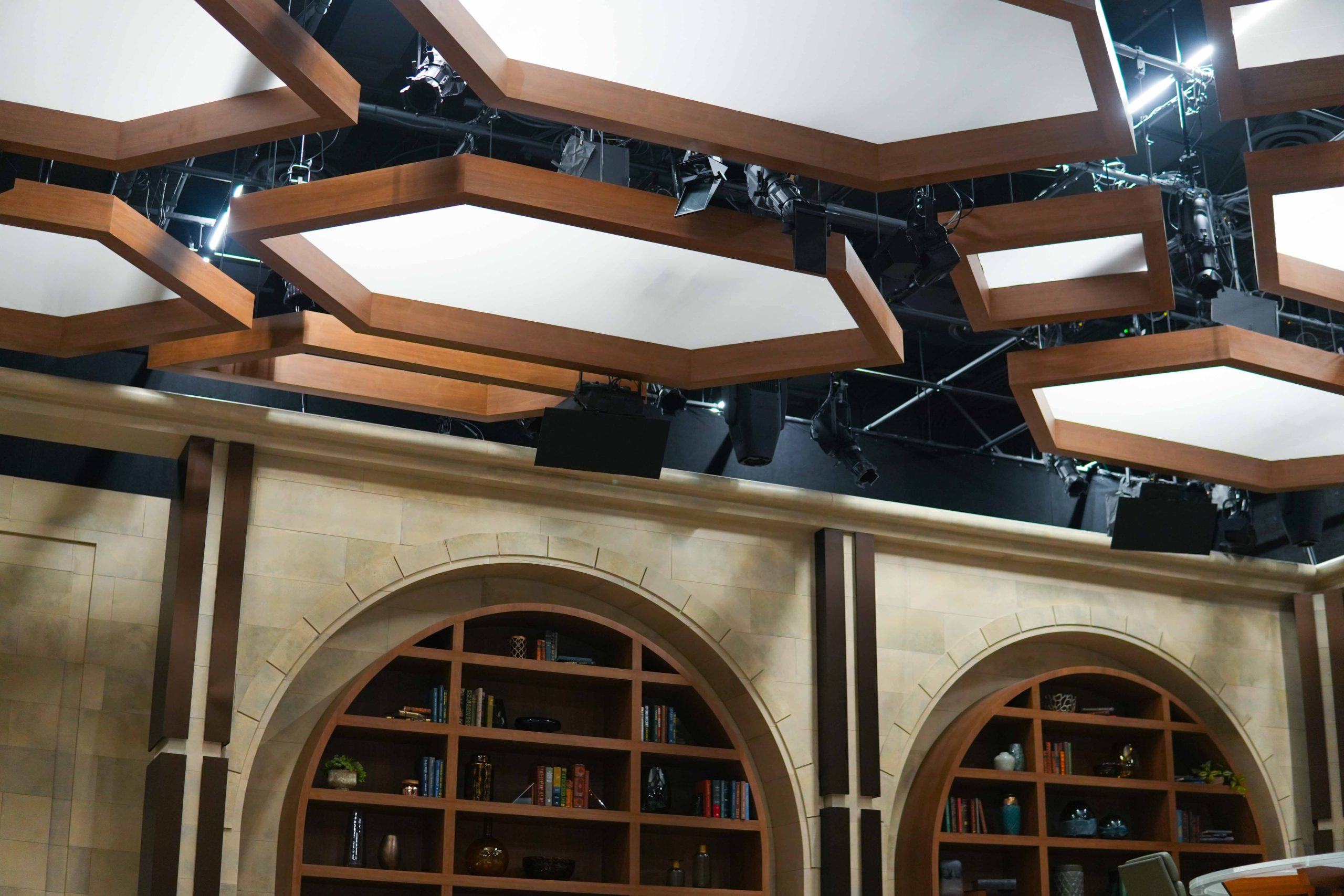
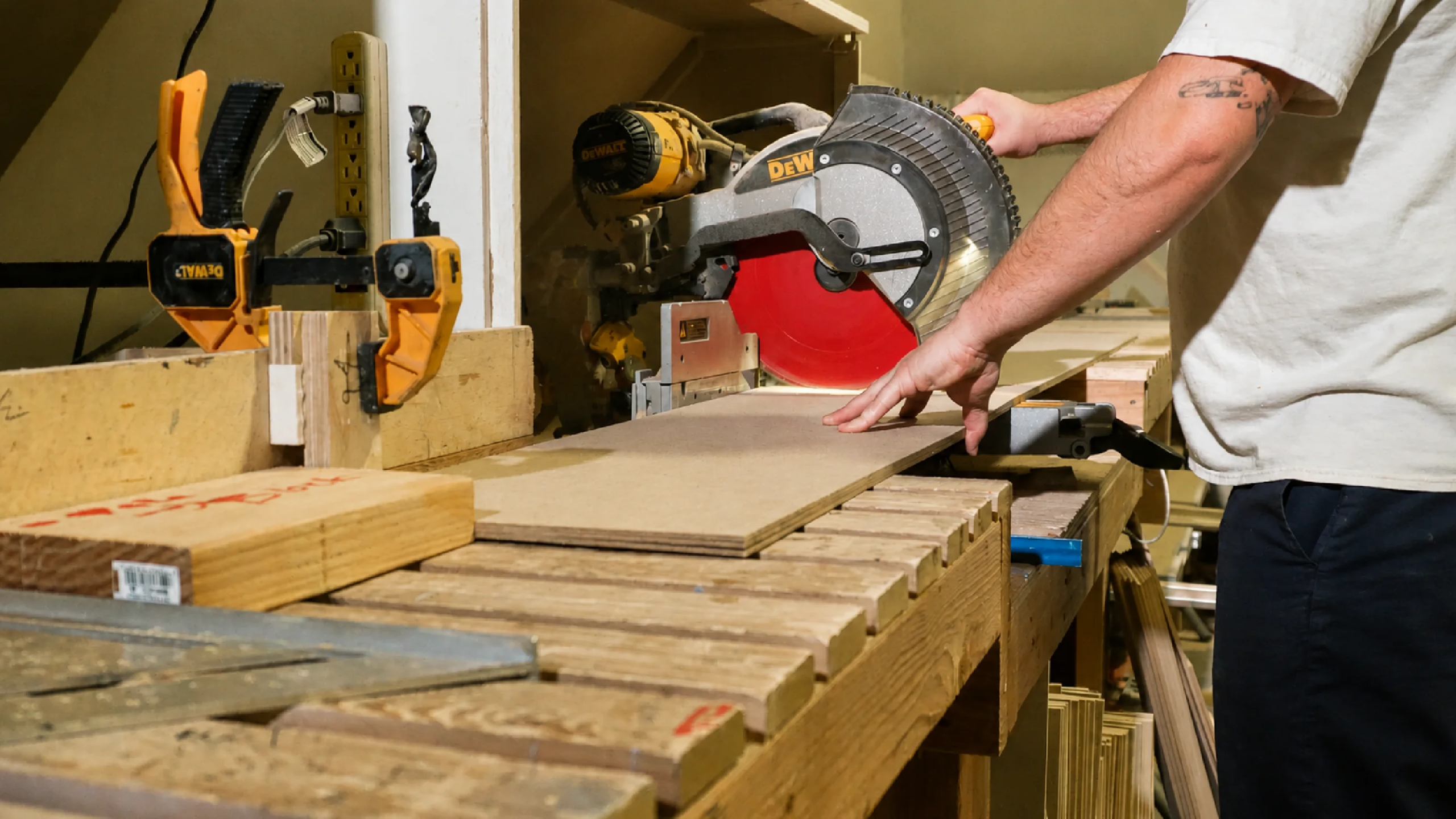
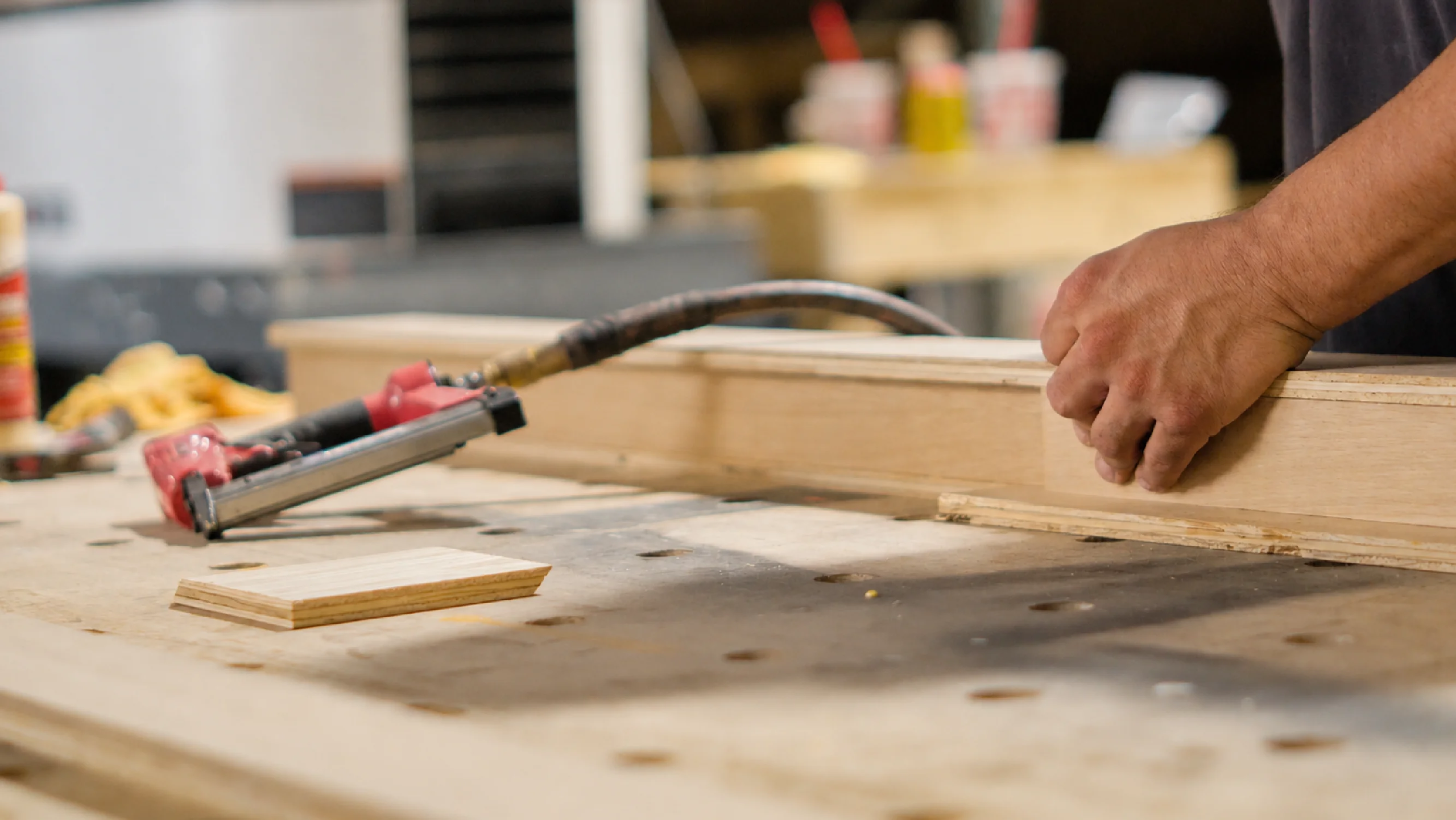
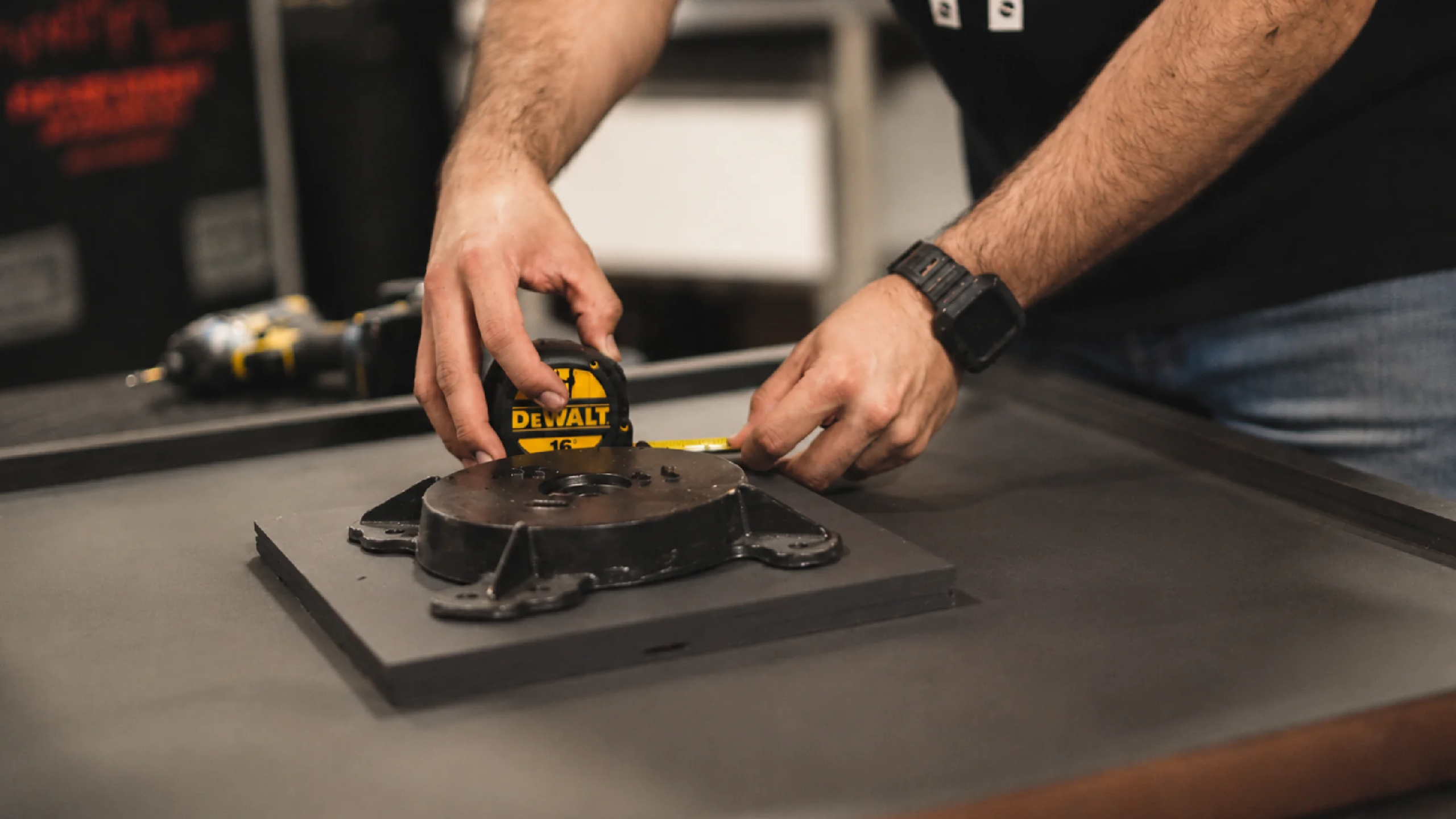
Depending on the project, the work may include scenic construction, carpentry, dimensional elements, surface preparation, custom finishes, graphic integration, structural components, branded details, and preassembly. Quality control takes place throughout fabrication so that components are prepared for transportation and installation.
Fabrication and Production Coordination
Because Fuller Street also provides experiential and scenic fabrication, design decisions can remain connected to the realities of the build.
Our team can continue from design development into fabrication, finishing, logistics, installation, on-site support, and strike.
For larger productions, 360 production management can help coordinate the vendors, schedules, logistics, and on-site execution surrounding the environment.
Experiential Design With End Production in Mind
Experiential environments are temporary, but the production challenges are real.
The design must account for venue access, transportation, setup windows, crew requirements, audience interaction, structural needs, equipment placement, sightlines, finishes, weather conditions when applicable, and the demands of live use.
Fuller Street brings more than 20 years of event production experience to that process.
That background gives us insight into how a design will function beyond the rendering. We understand how individual scenic and branded elements fit within the broader production, and we make design decisions with fabrication, logistics, installation, and live execution in mind.
This helps reduce the disconnect that can occur when a creative concept is developed without enough consideration for how it will actually be produced.
A Collaborative Partner for Agencies, Producers, and Brands
Fuller Street can join a project at different points depending on the scope and existing creative team.
We collaborate with:
- Experiential marketing agencies
- Event producers
- Creative directors
- Scenic and environmental designers
- Corporate production teams
- Retail teams
- Entertainment companies
- Brands managing projects directly
When an agency or designer has already established the creative concept, we can support design development and fabrication planning.
When a project begins with a broader idea, we can help shape the physical environment and determine how it can move toward production.
We do not need to replace the project’s creative agency to add value. Our role is to bring design, fabrication, and production insight together so the final environment works as intended.
Experiential Design for Los Angeles and Beyond
Based in Los Angeles, Fuller Street supports experiential environments, live events, brand activations, corporate productions, pop-ups, retail installations, and custom scenic builds.
Los Angeles productions often involve complex venues, tight installation schedules, multiple vendors, limited access, and high expectations for finish quality and visual impact.
Our local production and fabrication experience helps us anticipate those conditions while developing environments that are practical to build and install.
For projects outside Los Angeles, availability can be evaluated based on the design scope, fabrication requirements, location, schedule, and installation needs.
Experiential Design FAQs
What is Experiential Design?
Experiential design is the process of creating physical or digital environments around how people will move through, interact with, and remember an experience. It may combine spatial design, scenic elements, storytelling, branding, materials, technology, audience flow, and production planning.
What is the difference between experiential design and experiential fabrication?
Experiential design determines how the environment should look, feel, function, and support the audience experience. Experiential fabrication is the process of constructing the physical elements that bring that design into the real world.
The two disciplines work best when design decisions are made with fabrication and production requirements in mind.
Is Fuller Street an experiential agency?
Fuller Street provides experiential design support, design development, scenic expertise, fabrication planning, and production insight. We frequently collaborate with experiential agencies, creative teams, producers, and brands, but we do not position ourselves as a full-service experiential marketing agency.
Can you work from an existing agency or designer concept?
Yes. We can review existing concepts, renderings, drawings, floor plans, or creative briefs and help develop them into buildable environments.
Our team can support material selection, scale, structural considerations, fabrication methods, installation planning, and other production details.
Can Fuller Street design and fabricate the same project?
Yes. Depending on the scope, we can support experiential design development and continue through scenic fabrication, finishing, logistics, installation, on-site support, and strike.
Keeping design development and fabrication connected can improve communication and reduce production issues.
What types of experiential environments do you create?
Our work may include immersive event environments, brand activations, pop-ups, scenic installations, custom stages, corporate event settings, branded displays, product-launch environments, retail spaces, and temporary installations.
Experience Designed For The Build
A successful experiential environment must connect the creative vision with the realities of fabrication and production.
Whether you are starting with a broad idea, an approved campaign concept, or a detailed design, Fuller Street can help move the environment toward a clear, buildable, and production-ready solution.
Share your concept, timeline, location, and project requirements with our team.