Inside the Orioles Under Armour Partnership and the Giant Cleat in Left Field
How the Orioles–Under Armour partnership and a 10-foot cleat on the Kids Home Run Porch are reshaping the Camden Yards fan experience.
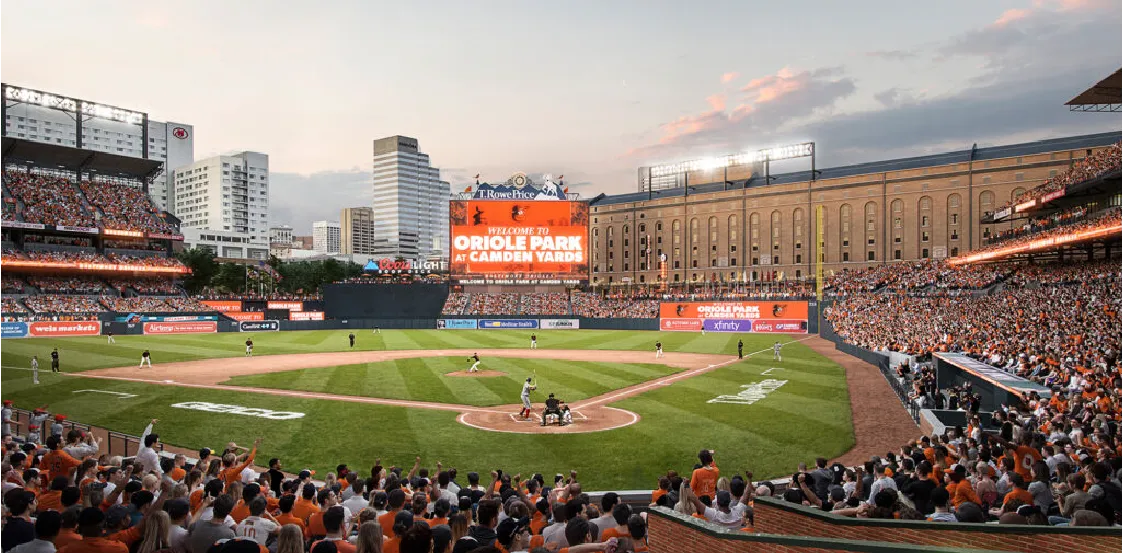
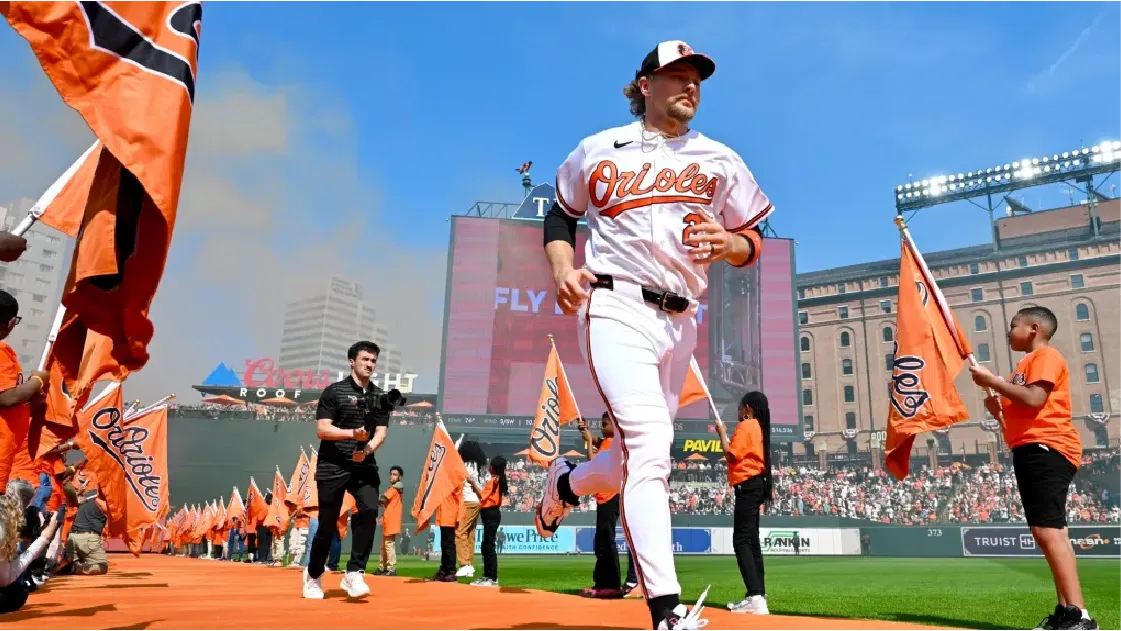
When the Baltimore Orioles open the 2026 Major League Baseball season at Camden Yards, fans will walk into a ballpark that feels both familiar and fundamentally refreshed. The outfield skyline has changed, the kids’ section in left field has been reborn, and a single, towering object now anchors the experience: a 10-foot Under Armour cleat perched on the Home Run Porch.
It’s a bold visual statement, but it’s also a case study in how teams, brands, and fabrication specialists are rethinking what a modern ballpark can be.
A Partnership Comes Into Focus
The Orioles and Under Armour have long shared geography and sensibility. Both have deep roots in the Baltimore community, and both invest in performance and identity. Beginning with the 2026 season, that relationship moves from logo placements and apparel deals into something more architectural and intentional.
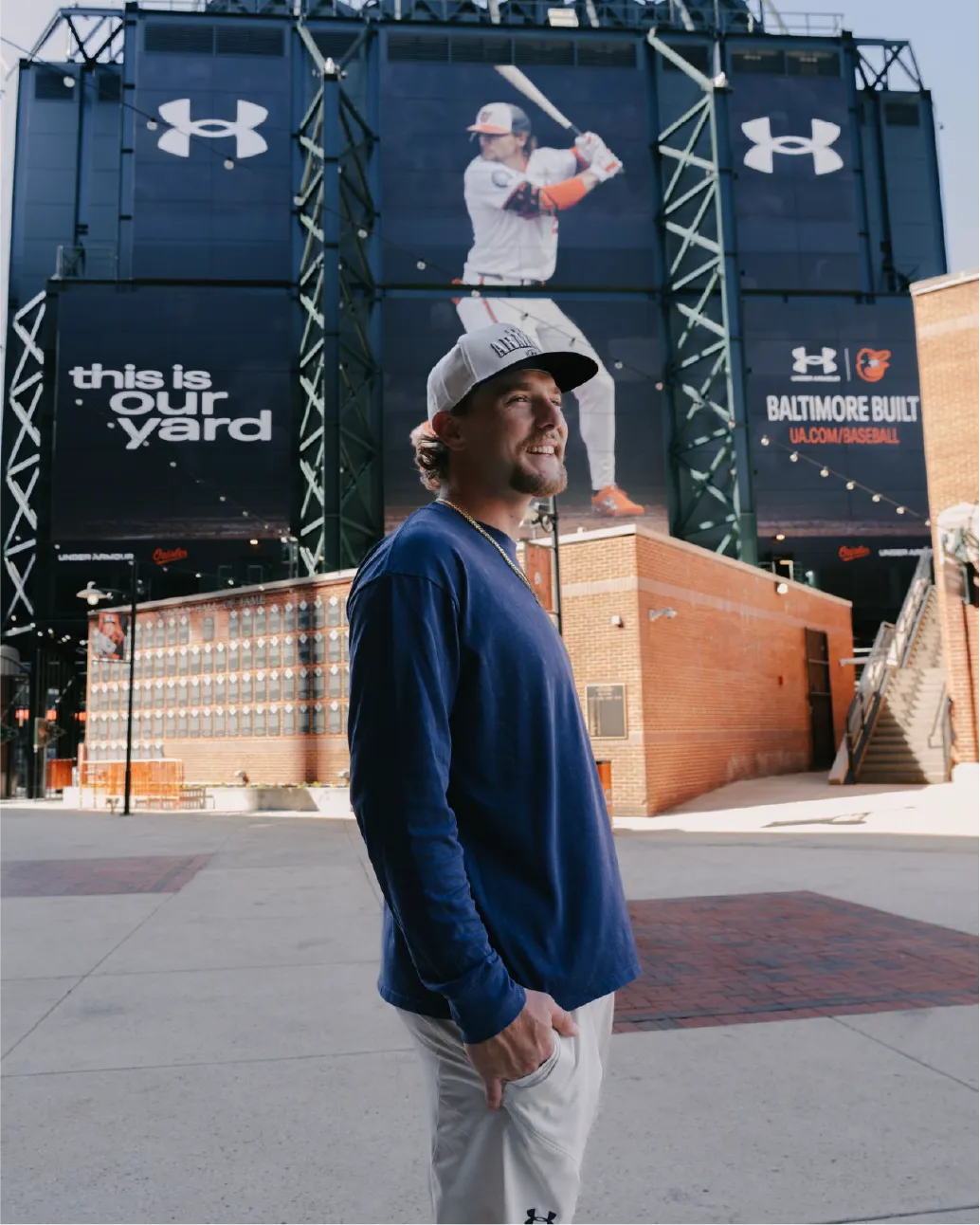
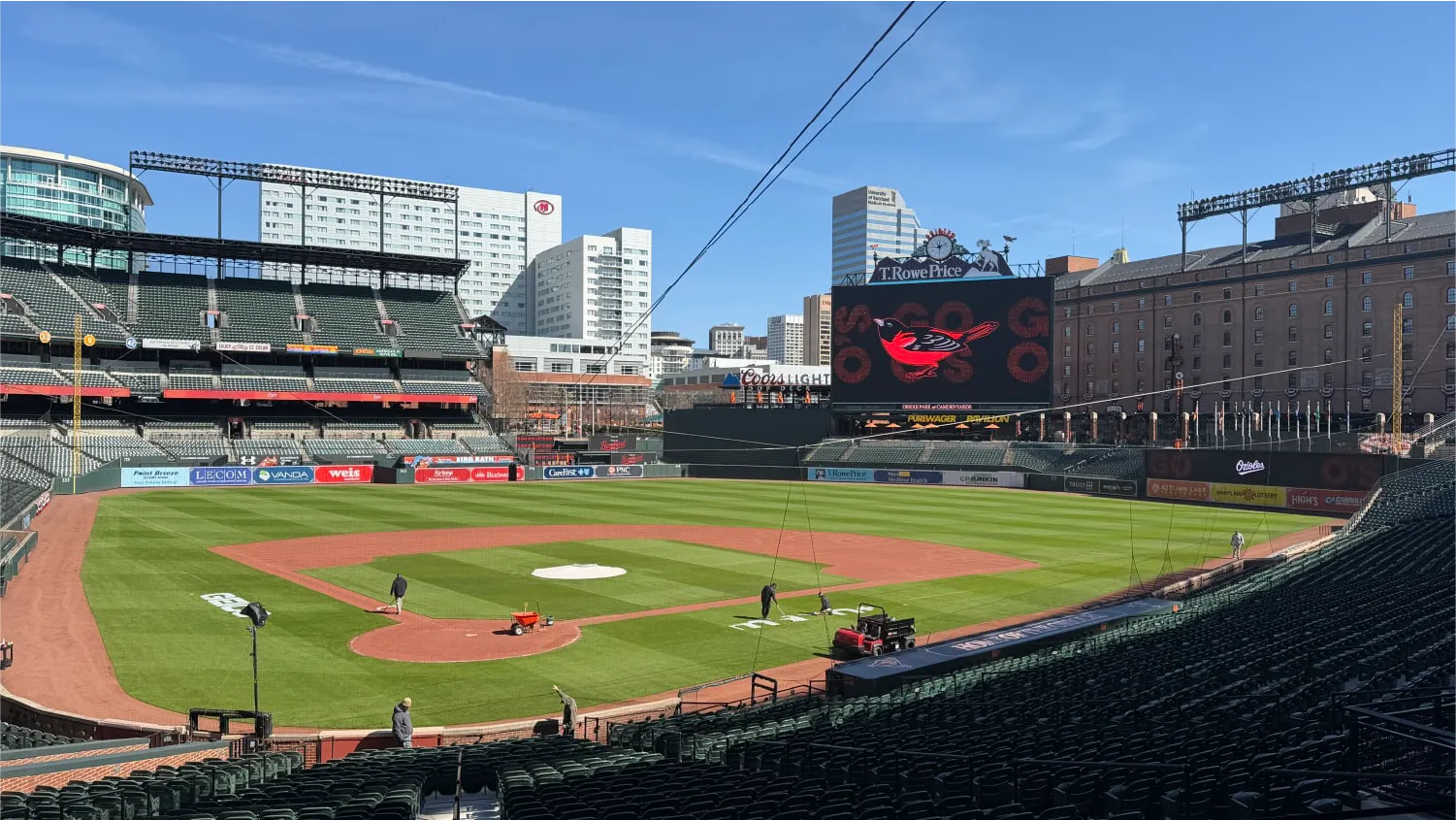
A new agreement between the Orioles club and the Under Armour brand is designed to bring new experiences for the fans visible from almost every angle of the stadium district. At its center is a state-of-the-art scoreboard in center field, a technological and visual upgrade that modernizes the in-game experience. On the back of that new scoreboard, facing Eutaw Street, rests a massive image of Orioles infielder and Under Armour athlete Gunnar Henderson, turning the structure into a towering homage to Baltimore’s star player.
For fans walking the concourse or approaching from the surrounding neighborhood, Henderson’s likeness is now part of the Camden Yards streetscape. Yes, it’s advertising, but more it’s a strategic declaration that says “This is Our Yard. Protect It.” for both the Baltimore Orioles and Under Armour.
The Return of the Kids Home Run Porch
If the scoreboard is the partnership’s marquee, the left-field corner is its heart. The Kids Home Run Porch—a beloved, kids-only vantage point— returns this time represented and reimagined by Under Armour as an immersive, youth-focused zone.
Children 12 and under with tickets in Sections 76, 78, 80, and 82 can access the area, which sits just above the left field wall, close enough to feel the wind off a line drive. The concept is simple: give young fans a space that feels just for them without walling them off from the game itself.
What’s changed is the way that space is articulated. Instead of a lightly branded deck, the Kids Home Run Porch is now anchored by a single unmistakable object — the branded Under Armour cleat structure
A 10-Foot Under Armour Cleat
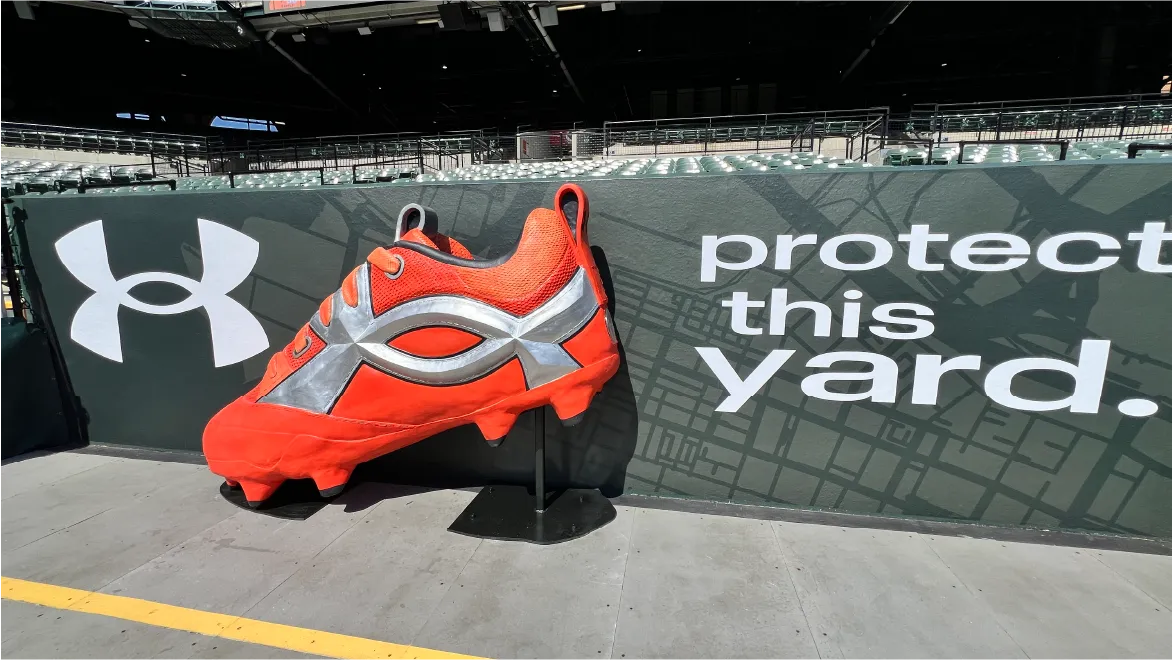
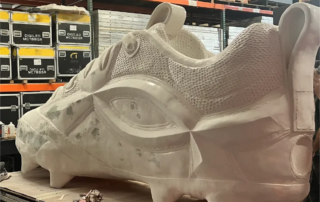
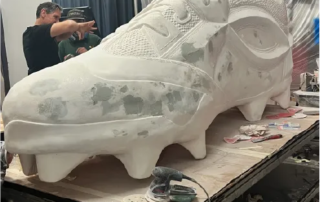
A new focal point in left field is the 10-foot Under Armour cleat, fabricated and installed on the Kids Home Run Porch platform itself, seemingly bursting through the wall. This cleat isn’t a prop in the traditional sense as much as it becomes a sculptural landmark designed to be seen from the bowl, the concourses, and even from television cameras tracking a deep fly ball.
The cleat is equal parts brand icon, wayfinder, and photo backdrop. In an era when every live event competes with the camera roll, the Orioles and Under Armour have effectively installed a ready-made social media moment in prime territory.
From a design standpoint, the piece had to do several things at once: read clearly as an Under Armour product, withstand the elements and the constant contact of curious kids, and integrate seamlessly into the existing architecture of Camden Yards. Not to mention be durable enough to catch the inevitable dinger falling from the sky with near 100mph exit velocity. And that’s where Fuller Street entered the picture.
The Concept Becomes A Structure
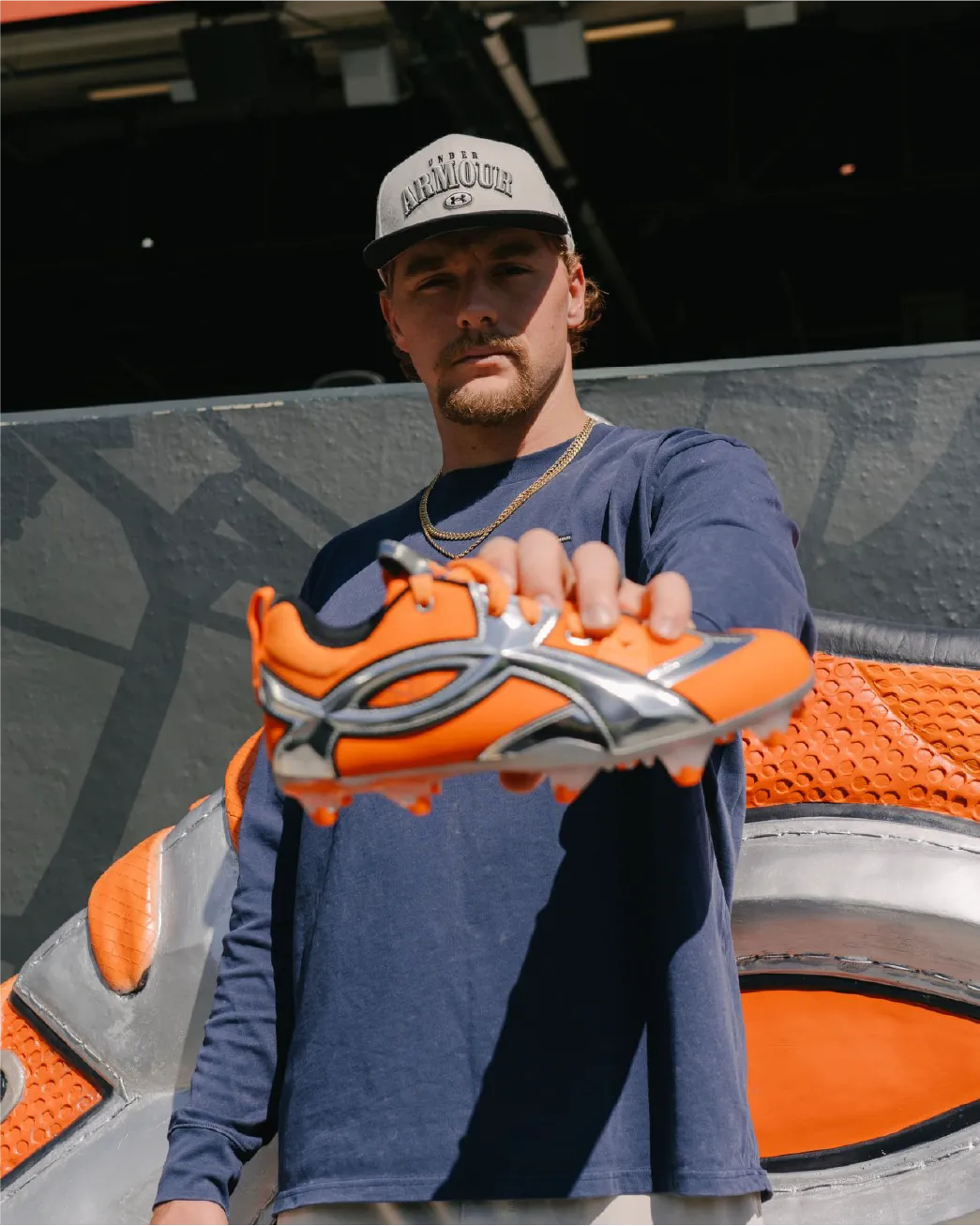
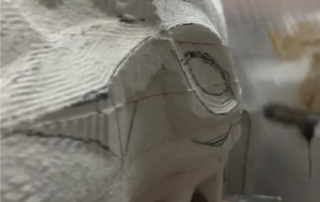
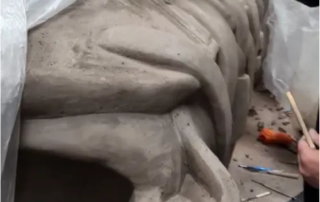
Fuller Street partnered with Under Armour to bring the cleat from sketch concept to lifesize structure, handling the design execution, structural engineering, fabrication, finishing, and installation of the new Under Armour cleat in Orioles Park. The project represents the important intersection of experiential fabrication and public sculpture, with all the constraints of a permanent stadium fixture.
Unlike a temporary activation or touring set piece, the cleat had to be engineered for long-term exposure to sun, rain, temperature swings, and wear-and-tear of game-day crowds. Structural integrity, anchoring systems, and material choices were as central to the brief as final finisheds and aesthetics.
In practice, that meant treating the cleat less like a piece of merchandise and more like a small building. Load calculations, safety clearances, and maintenance access all had to be resolved before the first fan — or Under Armour athlete Gunnar Henderson — ever posed for a photo.
This is the kind of work that has traditionally lived in the world of scenic fabrication services and custom set fabrication for film or broadcast. Increasingly, though, the same skill set is being applied to live sports environments, where teams and sponsors are looking for permanent, high-impact installations experienced up close and personally rather than one-off event builds experienced only on sets and through camera lenses.
Experiential Design in a Baseball Context
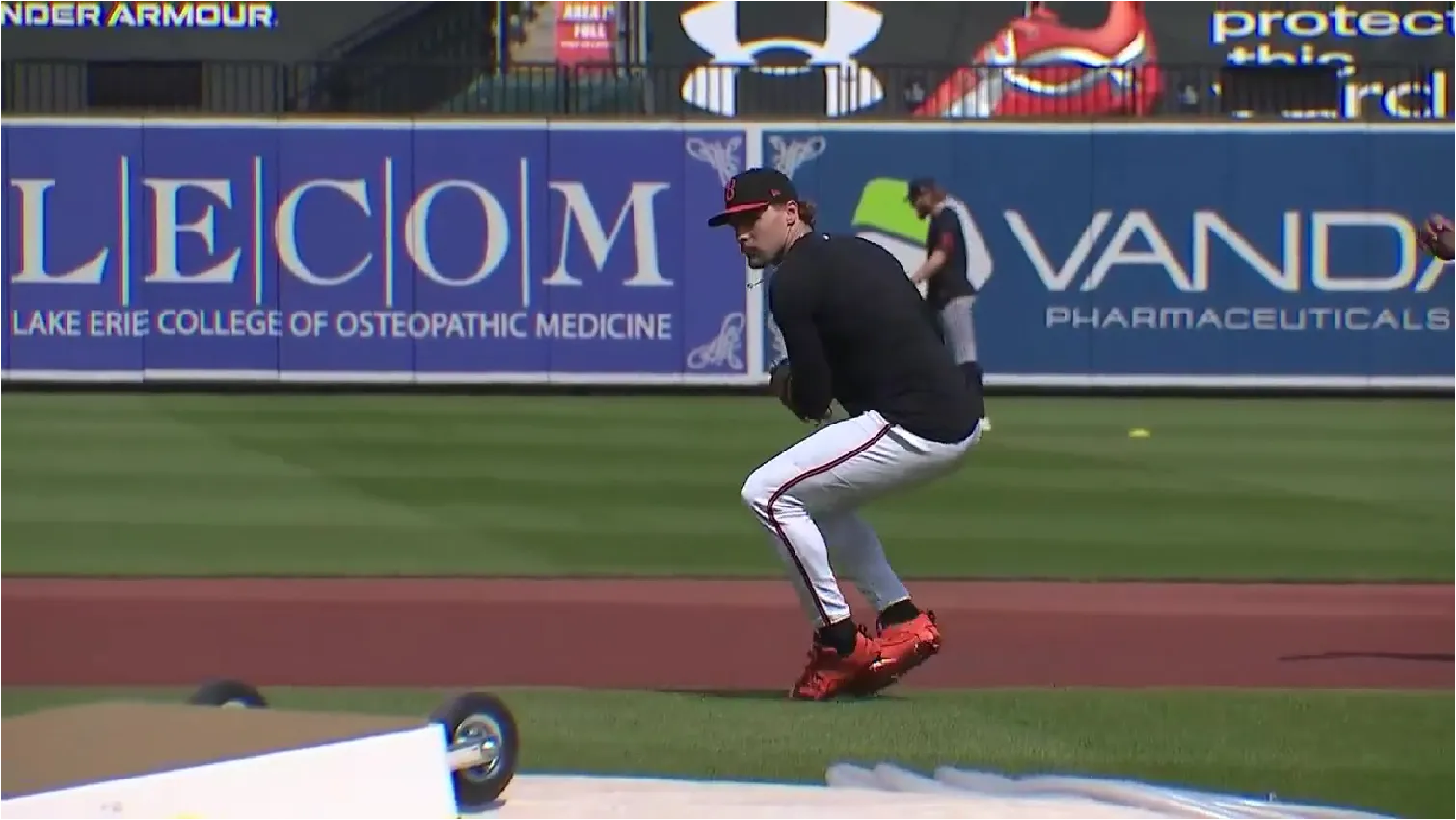
The Under Armour cleat at Camden Yards is part of a broader shift in how stadiums think about fan engagement. Where earlier eras leaned on static signage and occasional giveaways, the current MLB era favors immersive, three-dimensional brand expressions that double as amenities.
In that sense, the giant Under Armour cleat in left field is less an advertisement and more a piece of experiential marketing intentionally designed for interaction. The cleat gives kids and families a meeting point, a visual anchor, and a story to tell about where they watched their first playoff race and caught their first game ball.
For Under Armour, it’s a way to translate product identity into place and further brand engagement. The cleat becomes a core object and a literal platform for fandom and social sharing. For the Orioles, it’s a way to differentiate Camden Yards in a league where many ballparks are adding similar youth zones and social spaces.
Behind the scenes, the project draws on the same disciplines that power fabrication for live events and large-scale brand activations: 3D modeling, material prototyping, custom stage fabrication techniques, and tight coordination with venue operations. The difference is that, in a Major League Baseball stadium, the installation has to coexist with broadcast sightlines, security and safety protocols, and the rigors of an 81-game home schedule.
Camden Yards Continues To Lead The MLB Ballpark Evolution
Camden Yards has long been celebrated as the ballpark that redefined all MLB ballparks, a retro-classic template that many teams have tried to emulate since Camden’s inception in 1992. The 2026 upgrades suggest that even icons have to evolve.
The new scoreboard and Gunnar Henderson billboard change the visual language of center field. The Kids Home Run Porch, now framed by a giant Under Armour cleat, reframes left field as a destination for families. Together, they signal a future in which the stadium is not just a backdrop for baseball but an active participant in how fans experience the game.
For fabrication and event production companies, projects like this hint at where the industry is headed. The same capabilities that once lived primarily in event fabrication in major markets like Los Angeles or New York with short-term installations, increasingly have become requests to produce more permanent, high-touch installations in venues and stadiums across the country.
In the case of the Baltimore Orioles, that evolution now has a physical form of a 10-foot Under Armour cleat on their Home Run Porch, reminding everyone in the building that the line between sport, brand, and environment is thinner than ever.
Experiential Marketing Wins For Under Armour
As the 2026 season unfolds, the Under Armour cleat will likely show up in highlight packages, fan selfies, broadcasters’ B-roll, and Top 10 plays on news and major networks. The real impact of this Under Armour cleat will be quieter, more cumulative, and more enduring.
In the end, the Under Armour cleat in left field at Orioles Park is less about scale than it is about presence. It’s a reminder that in modern sports, the most effective branding doesn’t just appear on the field or in ad production. It becomes part of the stadium experience itself.
For an entire generation of kids, the memory of going to an Orioles game will be tied to that cleat on the Home Run Porch. They’ll be reminded of the place they stood inches from the field, nearly caught a homer against the backdrop to their first glimpse of big-league speed and sound. And for the Orioles and Under Armour, making connections to a new generation of fans is the whole point. By turning a run-of-the-mill sponsorship agreement that could’ve easily been a vinyl print on an outfield wall become something tangible and unforgettable.
Why Brands And Agencies Choose Fuller Street
Brand and agency partners look for a few important qualifications when choosing a fabrication partner, particularly a team who:
- Understands the pressure of client deadlines and brand expectations.
- Can build complex scenic elements that are safe, scalable, and transportable.
- Establishes trust through transparent communication and value ownership
Los Angeles based. National Capability.
Located in Southern California, Fuller Street is positioned to serve the hub of Los Angeles studios, designers, and agencies nationwide. Wherever your project is based, Fuller Street is capable at adapting to the needs of your project.
Your Next Big Idea Can Be More Than Just An Idea
If you’re looking for an experiential fabrication partner or a live events production company with the scale to handle six-figure projects, Fuller Street is here to support you. We know the stakes. And we deliver work that elevates your brand relationships.
When fabrication becomes part of the narrative, brand experiences move from forgettable walk-by moments to those filled with deep participation and brand loyalty.
Let’s build something people will talk about.
Contact Fuller Street and let’s build your next experiential fabrication.
Imagine what we can create together.